2026-11-29 ·
How to Lubricate a Garage Door in Austin Heat
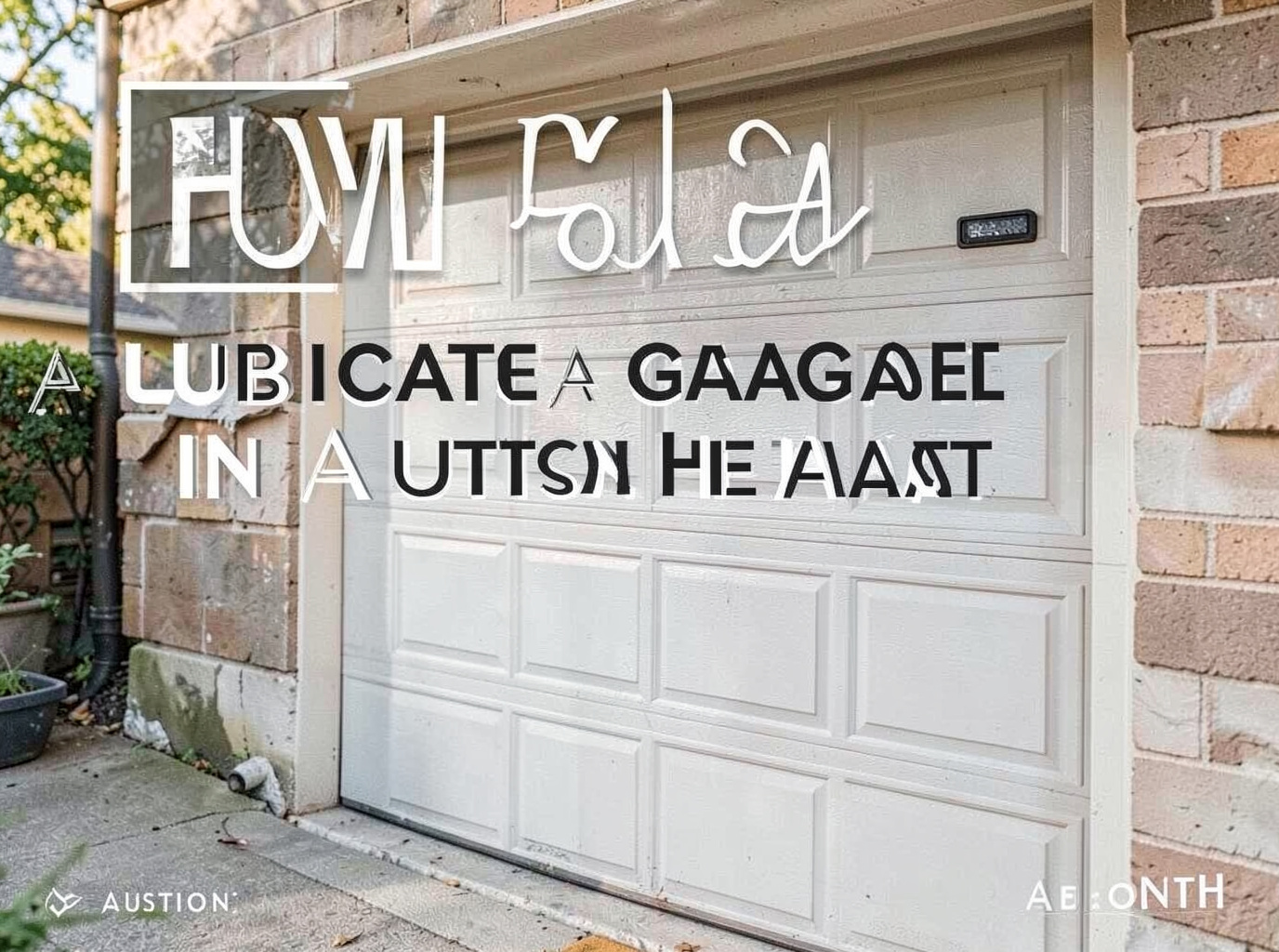
Lubricate a garage door every three to four months when living in Austin's hot humid summers, using a silicone-based spray on rollers, hinges, and tracks to counteract rapid lubricant breakdown from temperatures often above 95 degrees. This interval keeps doors operating quietly in neighborhoods like Hyde Park and Barton Hills where older homes have heavier wooden doors that expand slightly with moisture. Skipping steps leads to squeaks and strain on openers during peak summer use.
Why Austin Heat Changes Lubrication Needs
High humidity combined with intense sun exposure in Travis County causes standard grease to thin and fling off within weeks, unlike the mild winters that allow longer intervals. Homes near Lady Bird Lake or in Mueller experience more dust and pollen that mixes with thinning lubricant to create abrasive paste on tracks. In areas like Clarksville and Westlake, where many 1970s and 1980s houses have steel doors, the heat accelerates metal expansion and contraction that squeezes lubricant out of hinge pins. Residents in South Congress and Downtown notice faster wear because afternoon traffic vibrations add micro-movement to already stressed components. Adjusting the schedule to every 90 days during April through October prevents the binding that often requires garage door repair later in the season.
Tools and Products That Hold Up Locally
Choose a dry silicone spray rather than petroleum grease because it resists dust attraction common in East Austin and Zilker Park during wildflower season. A 12-ounce can covers one residential door with enough left for touch-ups after three months. Pair it with a small wire brush and clean rags to remove old residue first, especially on doors in Pflugerville or Cedar Park where pollen counts run higher. Avoid WD-40 as a long-term solution since its solvent evaporates quickly in 100-degree afternoons, leaving parts dry. Keep a rag handy to wipe excess that could drip onto concrete floors in garages typical of Travis Heights homes.
Step-by-Step Lubrication Process for Austin Conditions
Begin by disconnecting the opener and manually raising the door halfway to access all rollers and hinges without strain. Spray each roller bearing and hinge pin from both sides, then operate the door manually three times to work the lubricant into the nylon wheels common on local installations. Wipe tracks clean before applying a light film along the vertical and horizontal sections, focusing on areas where humidity causes minor rust spots near Barton Springs Pool neighborhoods. Lower the door and reconnect the opener, then run it through two full cycles while listening for remaining friction points. Finish by checking the weather seal at the bottom, which often collects grit in Round Rock and Pflugerville homes due to nearby construction dust.
Signs Your Door Needs Attention Sooner
Grinding noises when the door reaches the top in late afternoon heat indicate lubricant has already broken down on the highest rollers. Visible dry white residue on hinges after a week signals the product is not holding against Austin humidity levels. Doors in older Clarksville stock that hesitate at the halfway point usually need lubrication plus a check of cable tension. Addressing these early avoids the spring or cable issues discussed in garage door repair after Austin winter storms, since summer wear compounds any prior damage.
Seasonal Adjustments and Maintenance Tie-In
Reduce the interval to every eight weeks during July and August when overnight lows stay above 75 degrees and keep metal surfaces warm. Combine lubrication with a full inspection of springs and cables, which is part of routine garage door maintenance that many Travis County homeowners schedule before summer. In nearby Cedar Park and Round Rock, where newer subdivisions have lighter aluminum doors, the same silicone product lasts slightly longer but still requires the three-month check because opener motors work harder in humidity. Consistent attention keeps the system running through the transition to mild winters without unexpected service calls.